

Red Rocks is about to growÌý— outside the world-famous amphitheater, at least.
Denver city officials have begun the process to add nearly 98Ìýacres of city-owned property to the park that surrounds the 9,525-capacity live music venue. ThatÌýwill enlarge the area within park boundaries by about 11 percent, creating room for potential new hiking trails on gently sloping landÌýsouth of Entrance 2 alongÌýCountry Road 93.

“It’s right along Mt. Vernon Creek. There could be some amazing trail additions to this parcel,” deputy parks director Scott Gilmore told a City Council committee Wednesday. “So we’re very, very excited to add this to Red Rocks.”
The city has been on a tear of park designations since 2013, addingÌý755 acres to official city parks, mostly within city boundaries.
PHOTOS:Ìý
The Red Rocks addition, which the full council likely will approve in mid-July, wouldÌýbecome the largest single addition in recent years. The park currently isÌý868 acres.
The addition of Denver Arts and Venues-owned land wouldÌýexpand theÌýnarrow piece of the park that now connects to Entrance 2. One exception is a narrow cut-out where a houseÌý— deeded to become parkland at some point in the future — isÌýsurrounded by the proposed expanded parkland, Gilmore said.
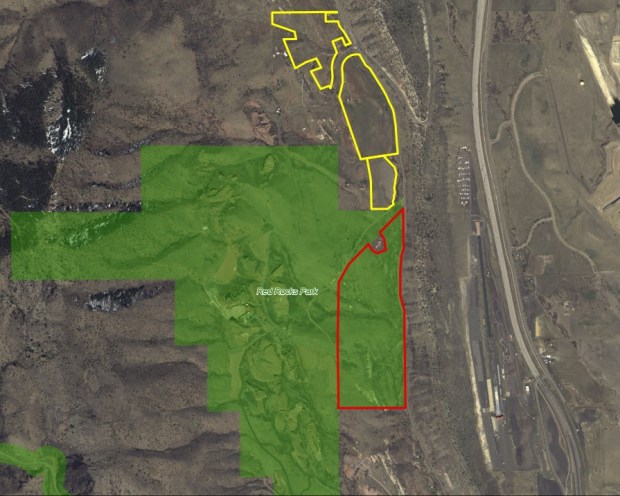
An announcement of the park designation, made by Mayor Hancock recently to coincide with Red Rocks’ 75th anniversary, said Denver Parks and Recreation later this year would begin a trail development planning process. New trails might connect with 2 miles of trails that traverse other parts of the park as well as to Jefferson County’s Matthews/Winters Park, and to the nearby town of Morrison along the creek.
Red RocksÌýnow attracts more than a million visitors a year, from concert-goers and tourists to yoga enthusiasts and trail runners.
The cityÌýobtained the land and other parcels nearbyÌýin 2000, during Mayor WellingtonÌýWebb’s administration, as a way to preserve open space near the park.ÌýThe parcel being designated was part of a land trade.
“This designation will ensure that even more of the natural landscapes that make this such a distinguished and cherished park will be protected for generations to come,” Hancock said in the designation announcement.
Arts and Venues still owns three other pieces,Ìýtotaling 76 acres, that Red Rocks advocates told the committee they’d also like to see added to the park. But Gilmore hasÌýcitedÌýhurdles that include an estate restriction on one and too muchÌýdistance between some of the parcelsÌýand the park.
The closest of the three now is used for overflow parking, and Gilmore told the committee it’s being considered as an off-park option to buildÌýa permanent home for the Colorado Music Hall of Fame, which temporarily is in the park’s Trading Post. That search for a home , with some parks advocates opposing a move to build within Red Rocks’ boundaries.
Park designations are held as sacrosanct in Denver. Once the council has designated land as part of a park, only a citywide vote of the people can change its use.


